Insights
From Team Attendance to Player Development
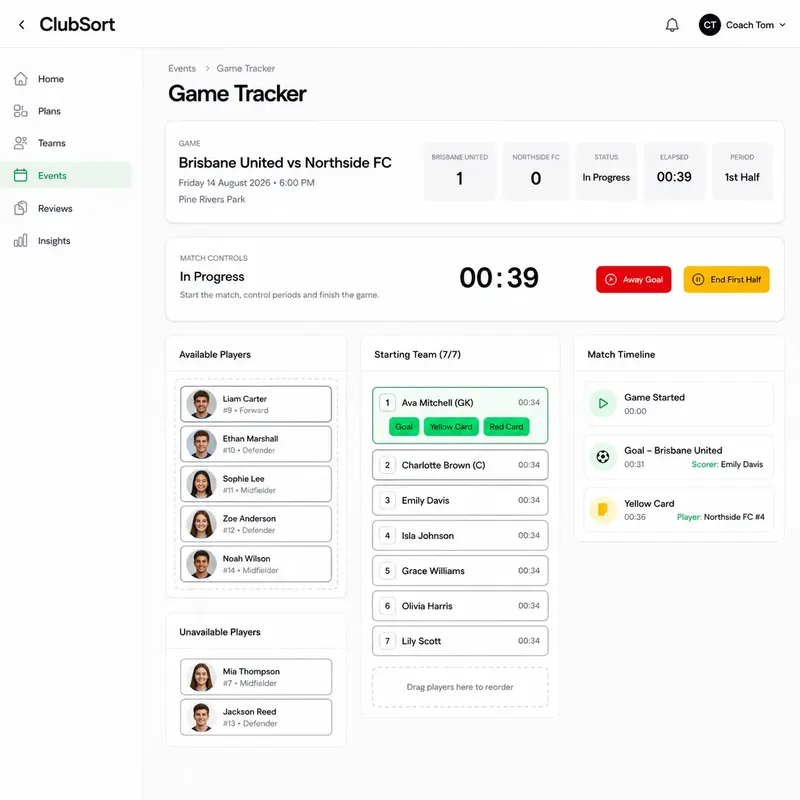
Not every club wants to record every detail of every game.

Thoughtful notes on coaching, club operations, player development, games and club culture.
Not every club wants to record every detail of every game.
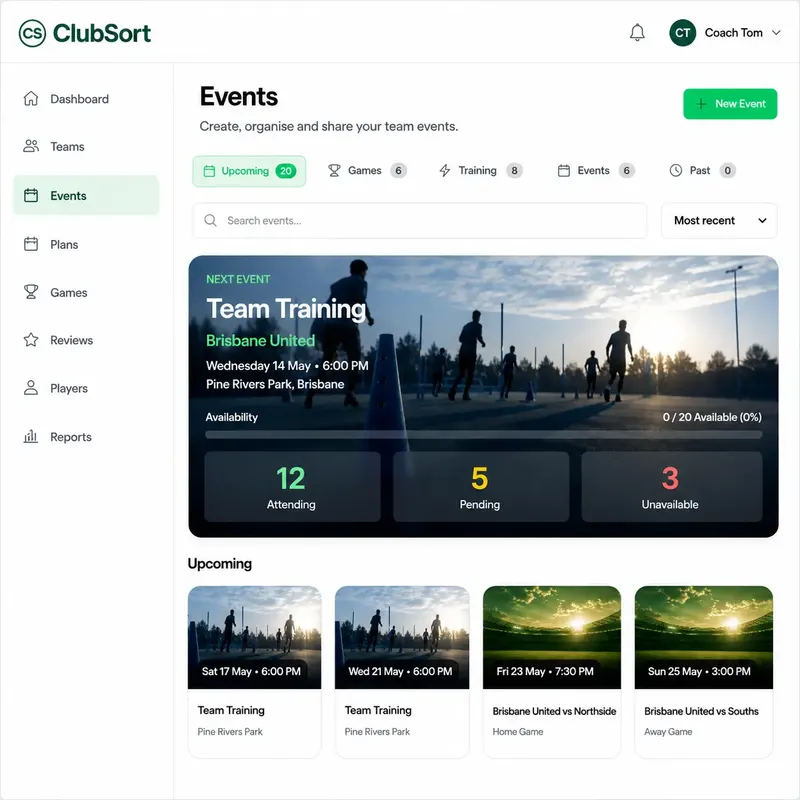
Setting up a new Club can feel like a long list of empty screens. There are settings to review, categories to confirm, spaces to describe and workflows to configure. It is tempting to complete every option before creating anything useful.
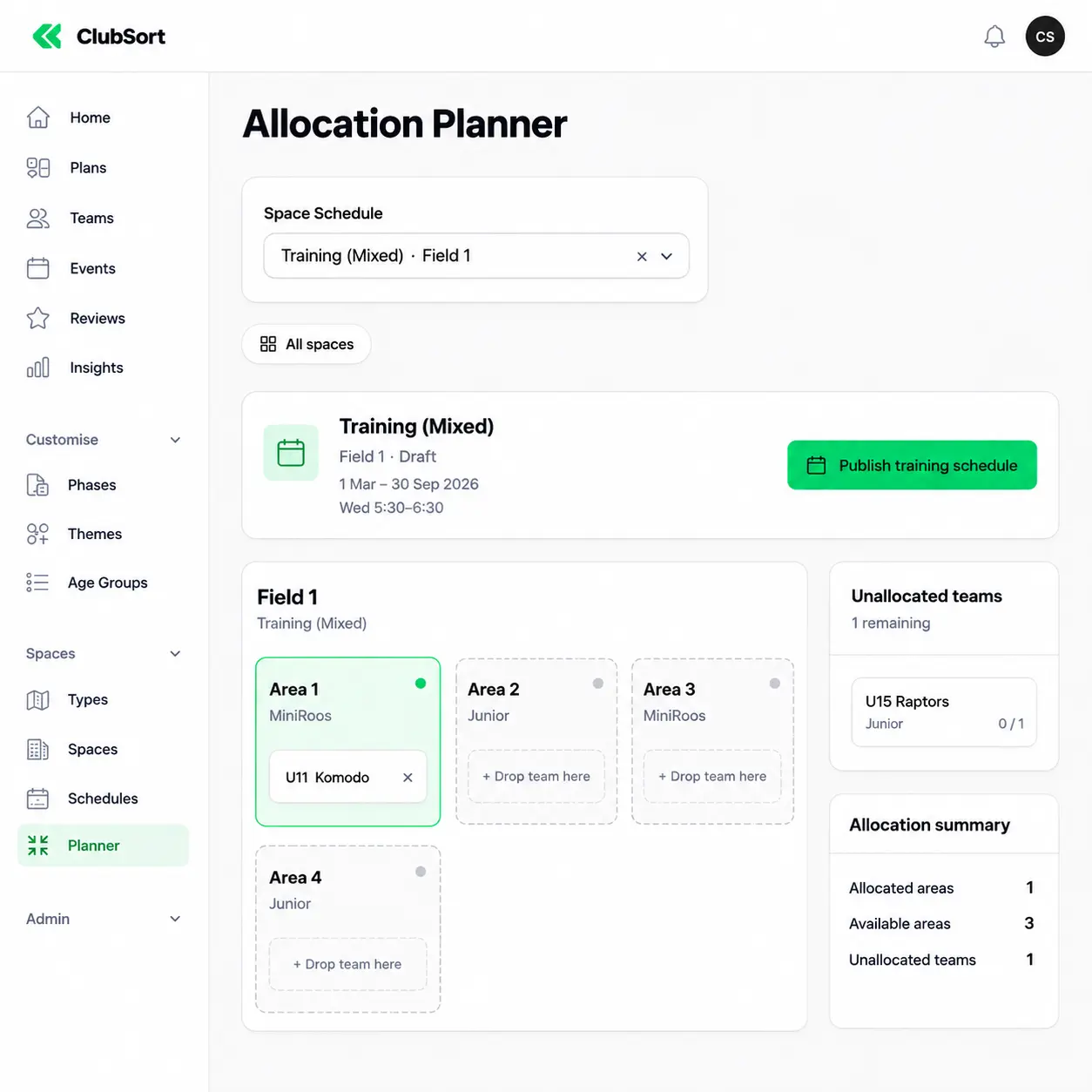
Allocating training spaces sounds simple until a club has multiple teams, fields, venues and time slots competing for the same space.
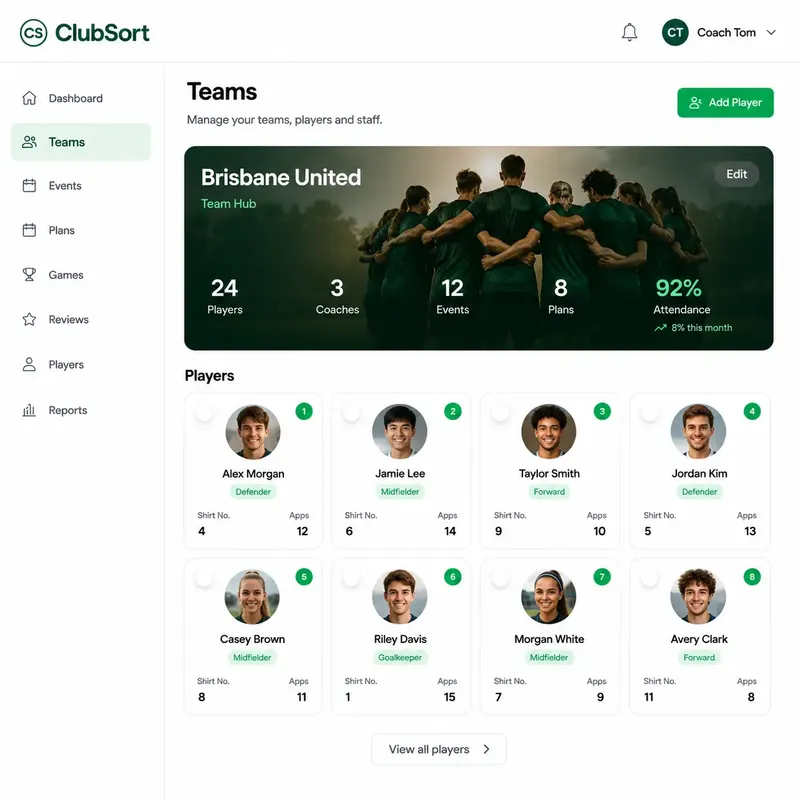
Running a sports club involves a surprising number of systems.
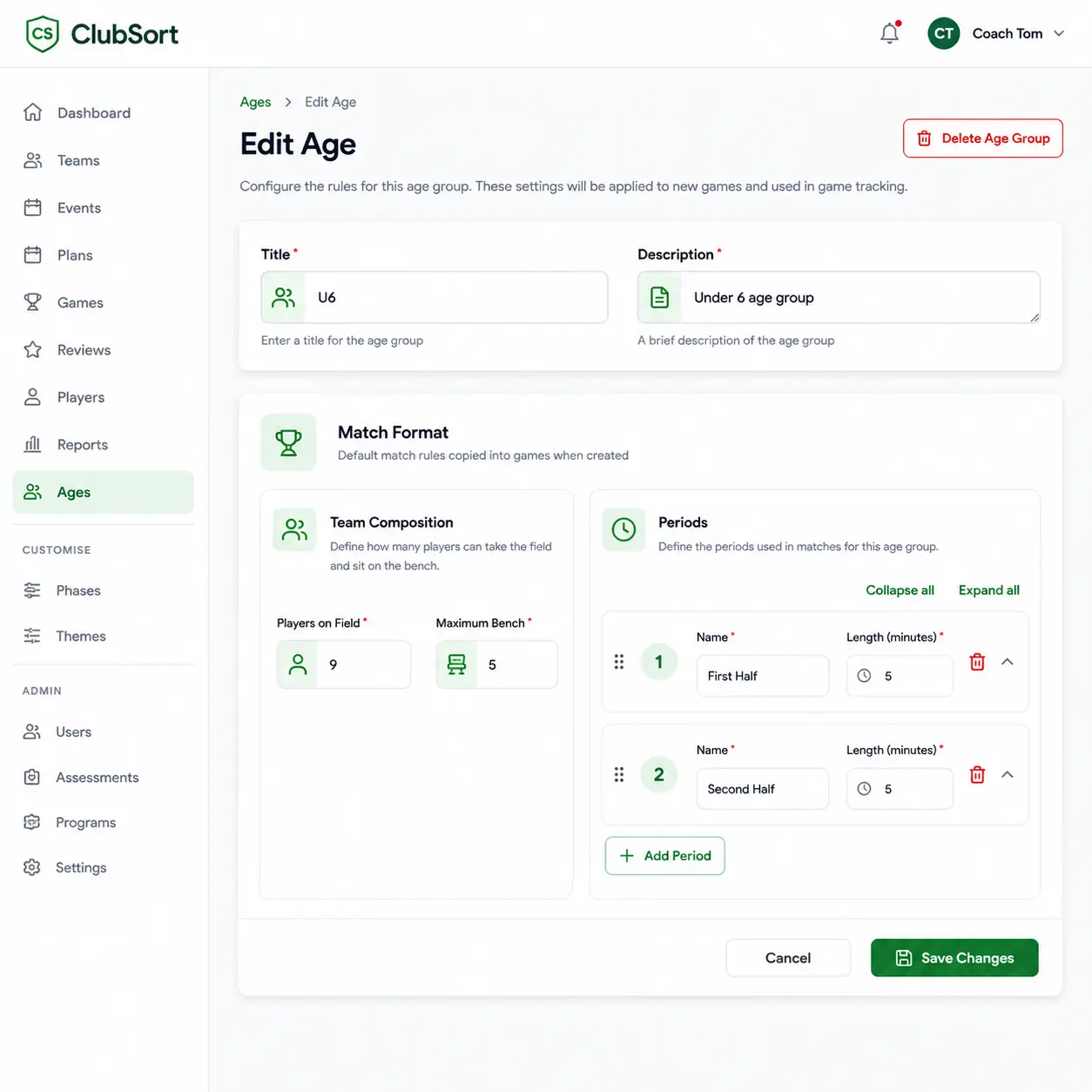
The Age Groups feature is designed to do much more than separate players into appropriate age based teams. While it provides a simple way to organise members into age groups, it also acts as the foundation for how teams, matches and game events are managed throughout your club.
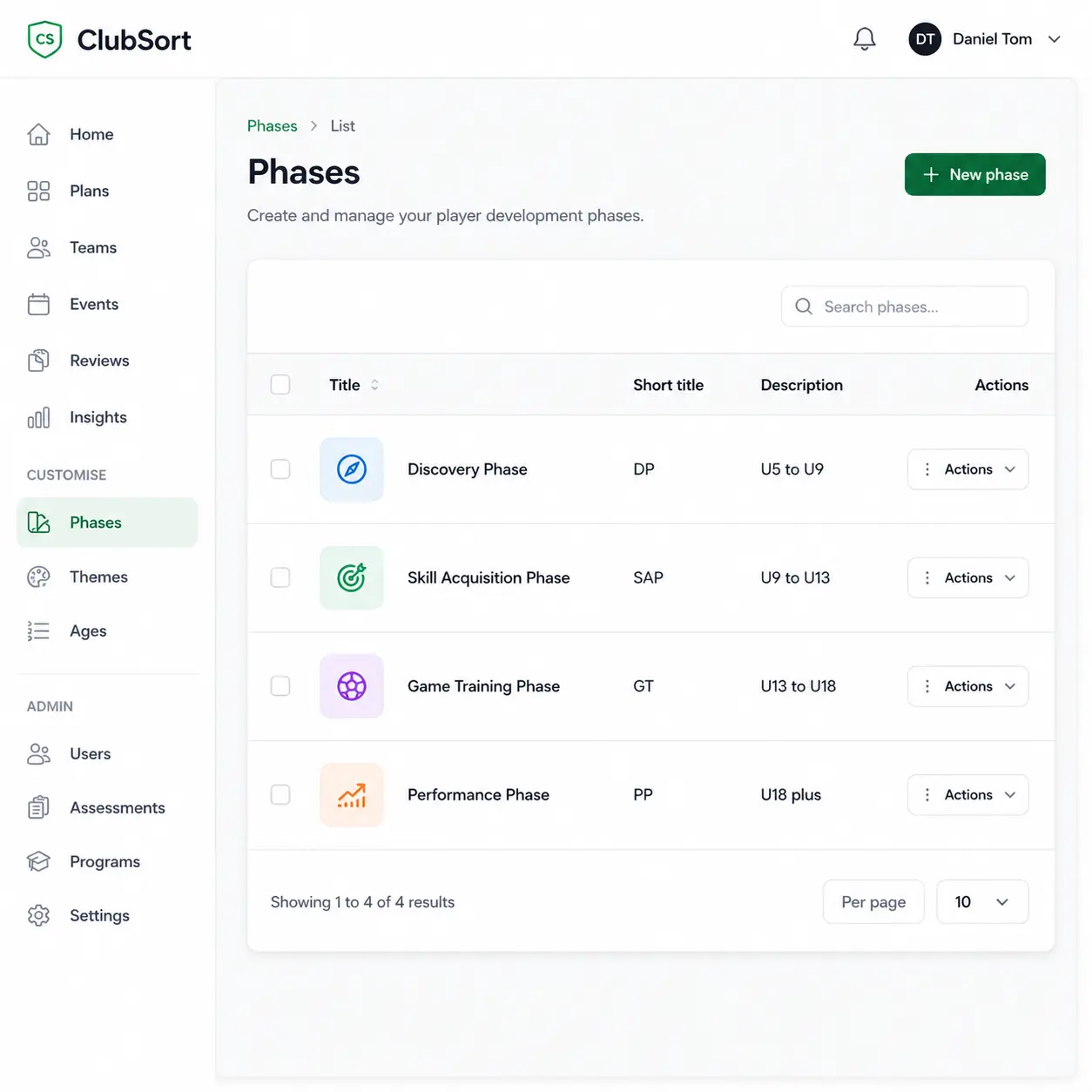
Every club has its own approach to player development. Some focus on technical skills, others on game understanding, physical capability or performance outcomes. The Phases and Themes features allow clubs to structure that development journey in a way that aligns with their chosen coaching philosophy and curriculum.
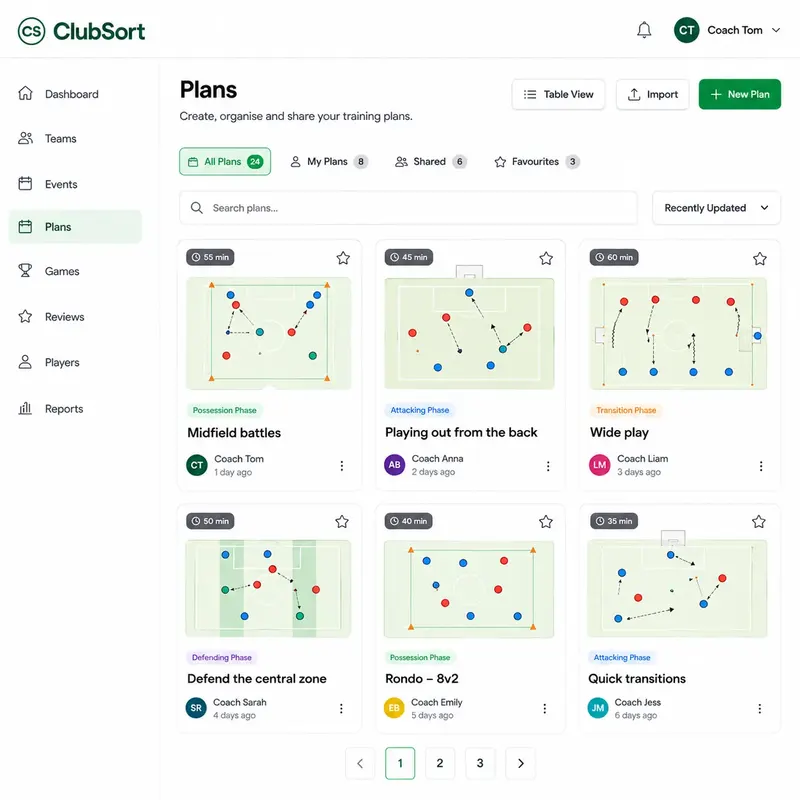
For coaches, the hardest part of training isn't always the session itself.
Community sport depends on volunteers, coaches and managers giving their time.
Every club has a culture, whether it has written it down or not.
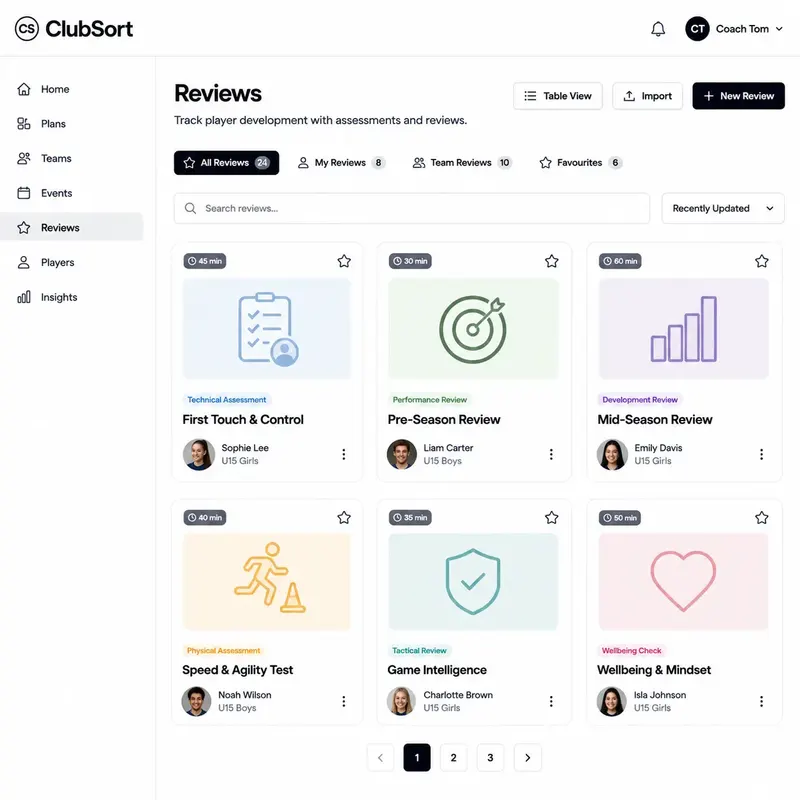
Player development is more useful when it is visible, specific and shared. A pathway does not need to predict everything a player will become.
Before choosing an activity, decide what players should understand, practise or feel by the end of the session. That single decision makes the rest of the plan clearer.